TL;DR: Vetting a Shenzhen stock-lot supplier comes down to 12 verifiable points — licenses and real warehouse ownership, honest size-run breaks, mixed-SKU carton discipline, transparent tiered pricing, and realistic restock lead times. Verify the stock physically exists before wiring a deposit, confirm carton packing and aging controls, and lock in restock windows in writing. A supplier who fails 3 or more points below is not worth negotiating with, no matter how attractive the per-piece price looks.
Shenzhen is famous for electronics, but its apparel wholesale scene — anchored by the Matilde and Wanglong garment hubs in Nanshan and Bao’an, with easy trucking access to Yantian Port — has quietly become a practical base for bulk stock programs. Stock buying is a different game from custom manufacturing: you’re purchasing inventory that already exists (or is being restocked on rolling cycles), often in mixed size runs and multi-SKU cartons, at tiered prices that reward bigger drops. That also means the failure modes are different — phantom inventory, incomplete size runs, repacked returns, and restock promises that quietly slip by three weeks. This checklist walks through the 12 points we check with every new stock supplier before an order is confirmed.
The 12-Point Wholesale Stock Supplier Checklist
1. Registered Business and Real Inventory Rights
Ask for the business license and check the scope covers apparel wholesale and export, not just design or consulting. For stock programs, also confirm the seller actually controls the inventory: is it their own warehouse, a consignment deal with a factory, or a marketplace listing they’ll sub-contract? Shenzhen has no shortage of resellers listing the same lot twice. A quick visit or live video call showing racks, cartons, and their own packing labels settles this fast.
2. Physical Warehouse Audit (In Person or on Video)
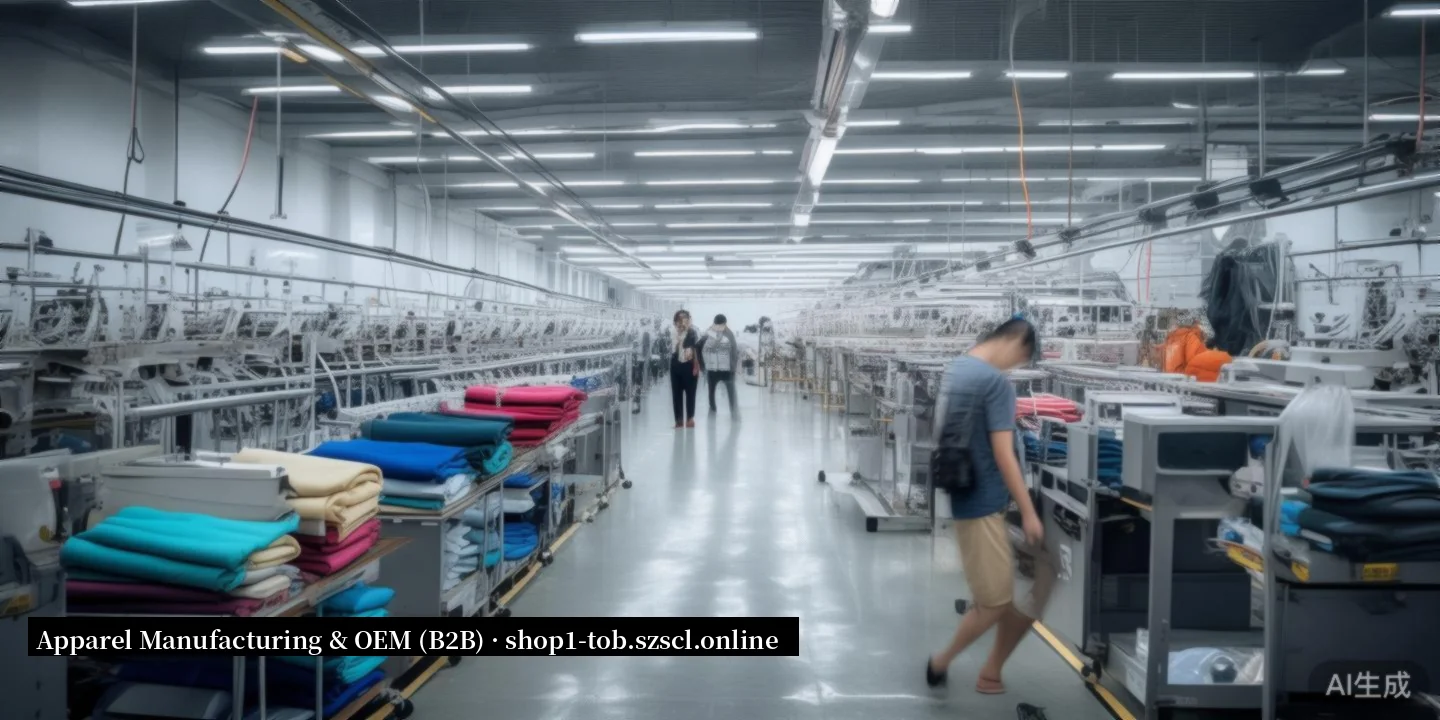
Stock quality is warehouse quality. Work through this list on any walk-through:
- Racks are organized by SKU and size, not “mixed garments” bins
- Cartons are sealed with the supplier’s own labels, not third-party shipper marks
- Dust covers, pallet height off the floor, and no water stains near walls
- A countable, systematized inventory — WMS screenshots or export sheets, not handwritten ledgers
- A clear grading zone separating A-grade stock from B-grade and customer returns
- Sample facilities for pulling reference pieces on request
If the “warehouse” is a showroom with no stock behind it, the real operation is somewhere else — usually a factory in Dongguan or Zhongshan. That’s not disqualifying, but you should know who physically holds your goods.
3. Size-Run Completeness and Break Policy
Stock lots rarely come in perfect S–XXL ratios. Pin down three things: the exact size breakdown per SKU, what happens when a run breaks (do you buy the remainder at a discount, or is the SKU pulled entirely?), and whether broken runs are priced separately. Good stock suppliers publish run-break percentages openly and price the fragments accordingly. Vague answers here usually mean repacked lots with missing mid-sizes.
4. Mixed-SKU Carton Rules
If you’re buying wholesale for a mixed-category order, confirm how cartons are built:
- Solid cartons (one SKU per carton) — best for fast receiving, usually a pricing premium
- Pre-planned mixed cartons — supplier builds the mix, provides a packing list per carton
- Assorted “lucky” cartons — acceptable only for closeout buying, never for core programs
Get the packing list format in writing before deposit. Receiving a 500-carton drop with no carton-level SKU breakdown turns your warehouse into a two-week sorting exercise.
5. Tiered Pricing Structure
Most Shenzhen stock suppliers quote in tiers — e.g., 300 / 1,000 / 3,000+ pieces with price steps of roughly 5–10% between bands. Ask what the tiers actually reference: total order value across SKUs, per-SKU quantity, or cartons. The three give very different totals on a mixed-SKU order. Also ask whether tier pricing holds on restock or applies only to the first drop; this is the single most common source of later friction.
6. Aging, Season, and Grade Disclosure
Stock can be last season’s production, current-season overruns, or — worst case — five-year-old dead stock that has yellowed in storage. Demand the production year and grade for every lot, and request physical or video swatch checks for color drift. Reputable suppliers in the Greater Bay Area label lots by season and grade without being asked.
7. QC Sampling on Actual Stock
Sample approval in stock buying means pulling random pieces from cartons, not supplier-picked showpieces. For orders above roughly USD 30,000, budget USD 250–400 for a third-party inspection in Shenzhen — inspectors there are plentiful and inexpensive. Check stitch density, seam strength, sizing against the spec sheet, and carton condition. Stock defects cluster in predictable places: collar curl on tees, color variance across dye lots, and moisture damage on the bottom pallet layer.
8. Export and Packing Standards
Confirm the supplier ships FOB Shenzhen (Yantian or Shekou) and can produce standard export cartons, carton marks, and commercial documentation. Ask about vacuum compression for knitwear and outerwear — it cuts container cost substantially but can affect recovery time on fleece. For our own 420gsm garment-dye heavyweight hoodie program, we recommend carton-packed only, and any stock supplier handling similar fleece should agree to that in the contract.
9. Restock Availability and Cycle Time
The real value of a stock program is repeatability. Ask:
- Which SKUs are program items (restocked continuously) vs. one-time lots?
- What is the restock cycle — days, weeks, or “when the factory cuts again”?
- Is there a reserved-quantity option, where you pay a small holding deposit to lock stock?
For core replenishment lines like a 260gsm garment-dye oversized tee, a supplier who can commit to a restock window of 7–14 days is worth a modest price premium over one who is 5% cheaper but ships whenever inventory appears.
10. Lead-Time Realism Door-to-Door
Build your plan from realistic numbers: 3–5 days for picking and carton building on a mixed-SKU order, 2–3 days for export inspection and customs, then sailing time from Yantian. Add a buffer for Chinese public holidays, which reliably slow everything for two weeks around Chinese New Year and Golden Week. Suppliers who promise “same-week dispatch” on large mixed orders are guessing — or counting on you not to check.
11. Payment Terms Matched to Risk
For a first stock order, 30% deposit / 70% against inspection report is a fair structure — inspection before final payment is your only real leverage once goods are packed. Never pay 100% up front for stock you haven’t seen, and treat insistence on full prepayment as a hard stop. From the second or third restock cycle, established buyers often move to more favorable terms.
12. Communication and References
A stock supplier should respond within 24 hours, provide packing lists and grade sheets without chasing, and connect you with at least one wholesale client in a similar market. Ask references specifically two questions: did restock pricing hold, and did restock lead times hold? Those two answers predict your future better than any catalog.
Common Stock-Buying Mistakes in the Shenzhen Market
- Buying on photos alone — always verify physical stock exists before deposit
- Accepting per-piece prices without knowing the tier basis (per SKU vs. total order)
- Ignoring carton packing lists until the goods arrive
- Treating a one-time closeout lot as a repeatable program item
- Scheduling replenishment with no holiday buffer
Budgeting Your First Stock Order
As a planning benchmark for the Shenzhen–Pearl River Delta corridor: basic wholesale stock lots (tees, basic fleece) often start around 300 pieces per order with tier discounts from roughly 1,000 pieces; restock cycles on program items run 7–14 days; and third-party inspection runs USD 250–400. Browse comparable wholesale programs in our full product catalog to benchmark pricing before you negotiate, and see our other sourcing notes on the blog hub.
FAQ: Do I need to visit Shenzhen to buy stock?
No, but verify remotely with a live warehouse video, third-party inspection, and license copies. Reserve on-site visits for orders above roughly USD 50,000 or for any supplier handling your core replenishment program.
FAQ: Stock lots or a rolling program — which should I start with?
Start with a stock lot to test the supplier’s grading, packing, and shipping discipline at low risk, then graduate to a reserved rolling program once they’ve completed two clean orders.
Ready to shortlist suppliers or benchmark stock-program pricing on specific SKUs? Contact our wholesale team with your category and target volumes and we’ll come back within one business day.