TL;DR: If your business model is buying bulk stock — full size runs, mixed-SKU cartons, repeat restocks of proven styles — Guangzhou should be your primary sourcing hub, with the Pearl River Delta factories around it supplying the depth. Shenzhen plays a supporting role: excellent for freight forwarding, cross-border e-commerce logistics, and tech-embedded garments, but weak on ready-stock apparel volume. Plan your cartons, size breaks, and reorder cycles around Guangzhou, and route shipments through Shenzhen when it saves time or money.
Why the Wholesale Buyer’s Map Looks Different from the Private-Label Map
Most sourcing content compares Shenzhen and Guangzhou from the perspective of brands developing custom designs. Wholesale buyers — distributors, chain-store purchasers, market traders, and online bulk resellers — operate on a different logic. You are not commissioning a factory to make something new; you are stocking up on goods that already exist, at tiered prices, in quantities that fill containers. Your priorities are:
- Depth of ready stock in fast-moving categories
- Price ladders that reward bigger cartons
- Flexible size-run breaks (e.g., 1-2-2-1 instead of strict full packs)
- Mixed-SKU loading so one container carries many styles
- Predictable restock lead times so shelves never go empty
judged against those criteria, the two cities are not close competitors. Guangzhou wins the sourcing battle decisively; Shenzhen wins on certain logistics and niche-product scenarios. Let’s break down where each city earns its place in a bulk-buying operation.
Guangzhou: The Volume Engine of Pearl River Delta Wholesale
Stock Depth You Cannot Find Elsewhere
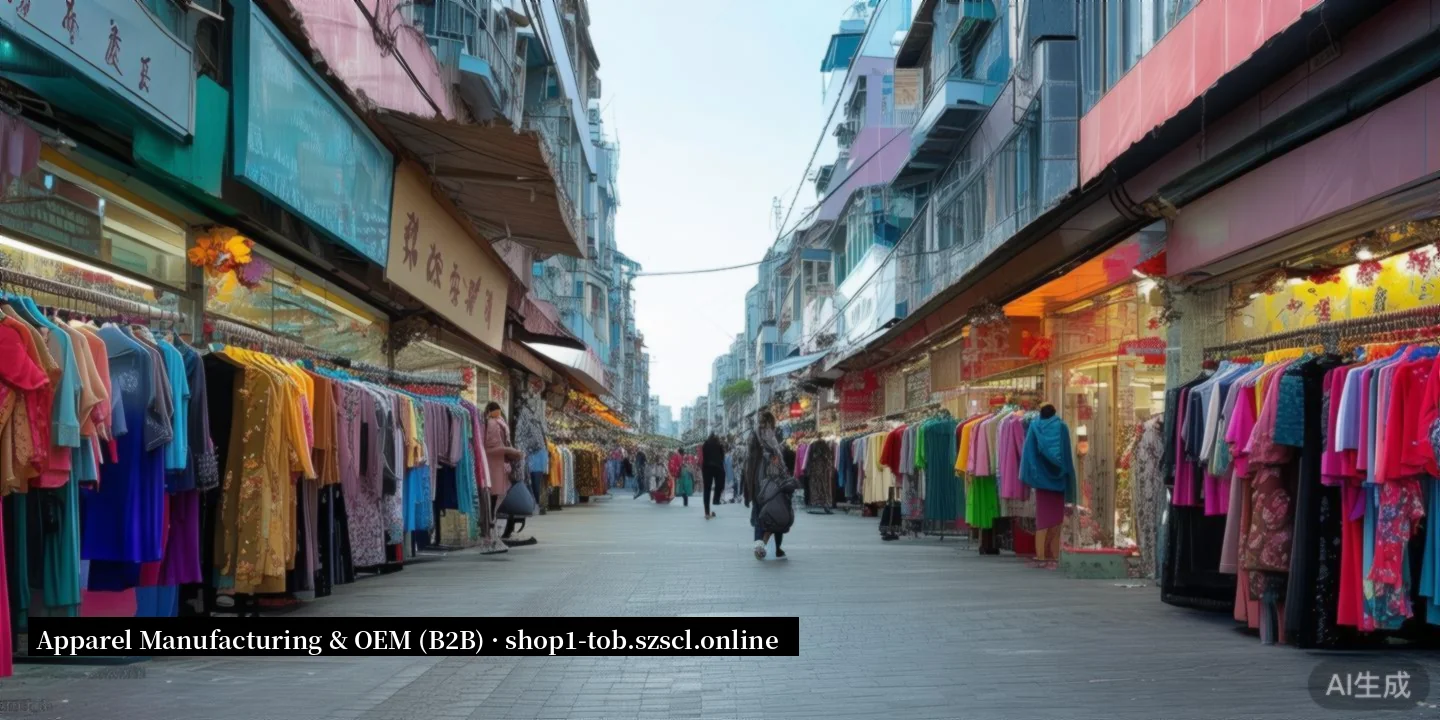
Guangzhou’s wholesale ecosystem is built for buyers who need goods now. Around the Zhongda textile district and the city’s garment wholesale centers (Shisanhang, Shahe, Baima), thousands of stalls and adjacent warehouses hold running styles in live inventory. For a stock-program buyer, this means you can walk a floor, confirm a style is in production (not just a sample), and negotiate carton-level pricing the same day. Factories in the surrounding delta — Dongguan, Foshan, Zhongshan — keep producing repeat styles for wholesale channels, which is exactly what restock planning depends on.
How Tiered Pricing Actually Works Here
Wholesale pricing in Guangzhou typically follows volume ladders rather than a single quoted unit cost. A typical structure looks like:
- 1–5 cartons: stall price, highest per-piece rate, full style and size mix allowed
- 6–20 cartons: mid-tier rate, mixed sizes within a style acceptable
- Half container and up: floor pricing, often requiring pack-sheet compliance (fixed size ratios per carton)
Negotiating these tiers is a core skill for bulk buyers. Ask whether quotes are per piece or per pack, whether size ratios are locked or adjustable, and what happens to pricing when a colorway sells out mid-season — because on running stock, it will.
Size-Run Breaks and Mixed-SKU Cartons
One of Guangzhou’s biggest practical advantages for wholesale buyers is flexibility at the carton level. Many suppliers will accommodate:
- Broken size runs (say, extra M/L and fewer XS) to match your market’s body-size distribution
- Mixed styles per carton for LCL shipments, so a 3 cbm order can still carry 15–20 SKUs
- Color-ratio adjustments on repeat orders without resetting the whole production run
This flexibility shrinks as order size grows — full-container buyers are usually pushed back to standard pack sheets for packing efficiency — but for small-to-mid wholesale programs it is a genuine cost saver, letting you match inventory to demand instead of absorbing dead stock in slow sizes.
Restock and Lead-Time Realities
For items already in a factory’s running program, restocks from Guangzhou commonly turn around in 7–15 days, because fabric is available locally through Zhongda and the sewing lines are already tooled for the style. New colorways on existing bodies tend to take 15–25 days. Anything requiring new patterns or development moves onto the longer custom-production timeline. Build your reorder calendar around those windows: if a style sells through in six weeks, place the replenishment order before week four, not after the shelves empty.
Shenzhen: A Supporting Player for Bulk Apparel
Where Shenzhen Fits into a Wholesale Operation
Shenzhen is not a garment stock hub. Its wholesale DNA is electronics — Huaqiangbei and its surrounding supply chain — and its apparel manufacturing base is thin. Fabric for most garment orders in Shenzhen still arrives from Guangzhou, which adds cost and days to any apparel program based there. But writing Shenzhen off entirely would be a mistake for bulk buyers, because it contributes in three specific ways:
- Freight and consolidation. Shenzhen’s ports and its dense network of forwarders make it one of the most efficient consolidation points in South China. Buyers running mixed-SKU LCL programs often consolidate Guangzhou-purchased goods through Shenzhen warehouses before export.
- Cross-border e-commerce readiness. If your wholesale channel includes Amazon FBA or independent-site bulk drops, Shenzhen’s logistics ecosystem — from FBA prep centers to air-freight capacity — is hard to beat.
- Tech-textile hybrids. Heated apparel, LED party wear, and smart-wearable textiles need electronic components. For those SKUs, sourcing components in Shenzhen while sewing happens in the Guangzhou cluster is the standard playbook.
When a Shenzhen-First Strategy Makes Sense
Route a larger share of your program through Shenzhen if most of these apply:
- Your SKUs blend textiles with electronics
- Your volume moves via air or e-commerce express rather than sea LCL/FCL
- Your existing supplier relationships are already Shenzhen-based and switching costs are high
- You need frequent, small-batch restocks shipped directly to e-commerce fulfillment centers
For pure fashion stock programs — tees, fleece, dresses, lingerie, activewear basics — none of these usually apply, and forcing a Shenzhen-based apparel supply chain will cost you per-unit and per-day.
Head-to-Head for Bulk Buyers
| Wholesale Factor | Guangzhou | Shenzhen |
|---|---|---|
| Ready-stock depth | Excellent — running styles in live inventory | Limited — few garment stock sources |
| Tiered volume pricing | Well-established carton/container ladders | Higher base costs; fabric brought in |
| Size-run & carton flexibility | High, especially on LCL and mid-volume orders | Varies; fewer suppliers willing to break packs |
| Restock speed on repeat styles | ~7–15 days typical | Longer; fabric usually routed from Guangzhou |
| Consolidation & freight | Strong domestically, good forwarding base | Excellent — ports, air freight, e-com logistics |
| Best wholesale use | Primary sourcing hub for stock programs | Consolidation, e-com fulfillment, tech-textiles |
Building a Practical Two-City Buying Program
The strongest wholesale operations in this region do not pick a winner — they assign roles. A workable split looks like this:
- Guangzhou: all stock purchasing, tier-price negotiation, size-ratio planning, and restock orders against running styles
- Shenzhen: consolidation, export documentation, FBA prep, and any tech-integrated SKUs
- Delta factories (Humen, Foshan, Zhongshan): contracted repeat production for your proven best-sellers once volumes justify direct factory programs
This structure also improves your restock math. Because Guangzhou suppliers sit close to both fabric and finishing (printing, embroidery, wash), replenishment orders avoid the double handling that inflates cost and lead time — and the savings compound across a season of repeat orders.
Frequently Asked Questions from Bulk Buyers
Can I buy mixed styles and sizes in small wholesale quantities?
Yes, in Guangzhou this is standard practice at the stall and small-warehouse level. Expect the best mixed-SKU flexibility at the 1–20 carton level; larger orders usually shift toward standardized pack sheets for efficiency.
How do I plan restocks so I don’t run out mid-season?
Track sell-through weekly, confirm your supplier still holds the style in production, and place replenishment 2–3 weeks before projected stock-out. On running Guangzhou styles, a 7–15 day restock window is realistic; new colorways need closer to three weeks.
Is Shenzhen worth visiting on a buying trip?
For pure apparel stock, probably not — your time is better spent across Guangzhou’s wholesale districts and delta factories. But if your assortment includes tech-textiles or your shipping model relies on e-commerce express lanes, add a Shenzhen day for forwarder and consolidation meetings.
Do tiered prices apply automatically or do I need to negotiate?
Almost always negotiate. Quoted stall prices are opening positions. Volume commitments across a season — not just a single order — are your strongest lever for moving down the price ladder.
Bottom Line
Stock your shelves from Guangzhou. The city’s ready-stock depth, carton-level flexibility, and fast restock cycles on running styles make it the clear primary hub for wholesale apparel buying in South China. Use Shenzhen for what it does best — consolidation, cross-border fulfillment, and tech-infused garments — and your supply chain gets the strengths of both cities without paying the weaknesses of either.
Browse our current stock programs and tier pricing in the wholesale catalog, or see a live example like our Plus-Size High-Support Sports Bra (2XS–4XL) to understand how our size runs and pack structures work. For restock planning on any style, reach us via the contact page.